

The Night of the Big Wind and the Irish Weather Event Remembered by Families
The Night of the Big Wind, which struck Ireland on 6–7 January 1839, became one of the most remembered weather events in Irish history. Met Éireann describes the storm as “notorious” and notes that its effects were reported across Ireland through contemporary newspapers and observers.
For travellers with The Celtic Way, this story offers a different way to understand Ireland. It connects weather, landscape, rural homes, oral memory and the vulnerability of ordinary people.
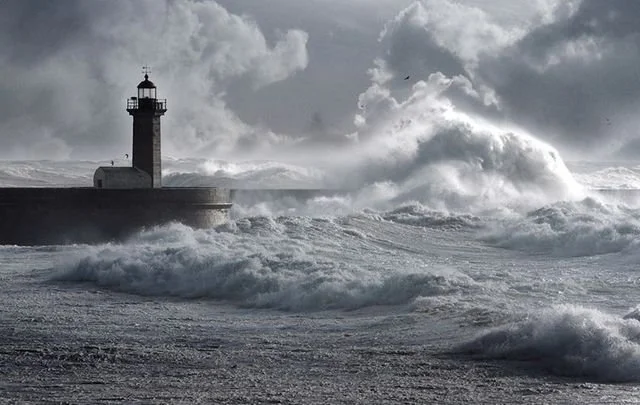
A Storm Remembered Across Generations
The storm caused severe damage across the country. Thatched roofs, cottages, trees, churches, boats and buildings were damaged or destroyed. In a time before modern forecasting, warning systems or strong housing standards, a storm of this scale could be terrifying.
What makes the Night of the Big Wind especially powerful is the way it stayed in memory. It became a reference point in family and local storytelling. Older people remembered where they were, what happened to their homes, and how communities responded.
Weather events often reveal the relationship between people and place. In Ireland, where rural families lived close to land, sea and changing weather, storms could shape memory deeply.
A heritage tour does not always need to focus only on famous political events. Sometimes, a storm can reveal just as much about how people lived.
The Night of the Big Wind helps travellers imagine the fragility of cottages, the importance of neighbours, and the fear of a night when the natural world seemed overwhelming.
At The Celtic Way, we believe Ireland’s heritage is found in both major history and everyday memory. This storm reminds us that family stories, local folklore and weather events can become part of a nation’s cultural memory.
Ireland’s landscape is beautiful — but it has also tested the people who lived within it.
Explore meaningful Irish heritage journeys with The Celtic Way:
https://www.thecelticway.com.au/