Croagh Patrick and Ireland’s Sacred Mountain Journeys
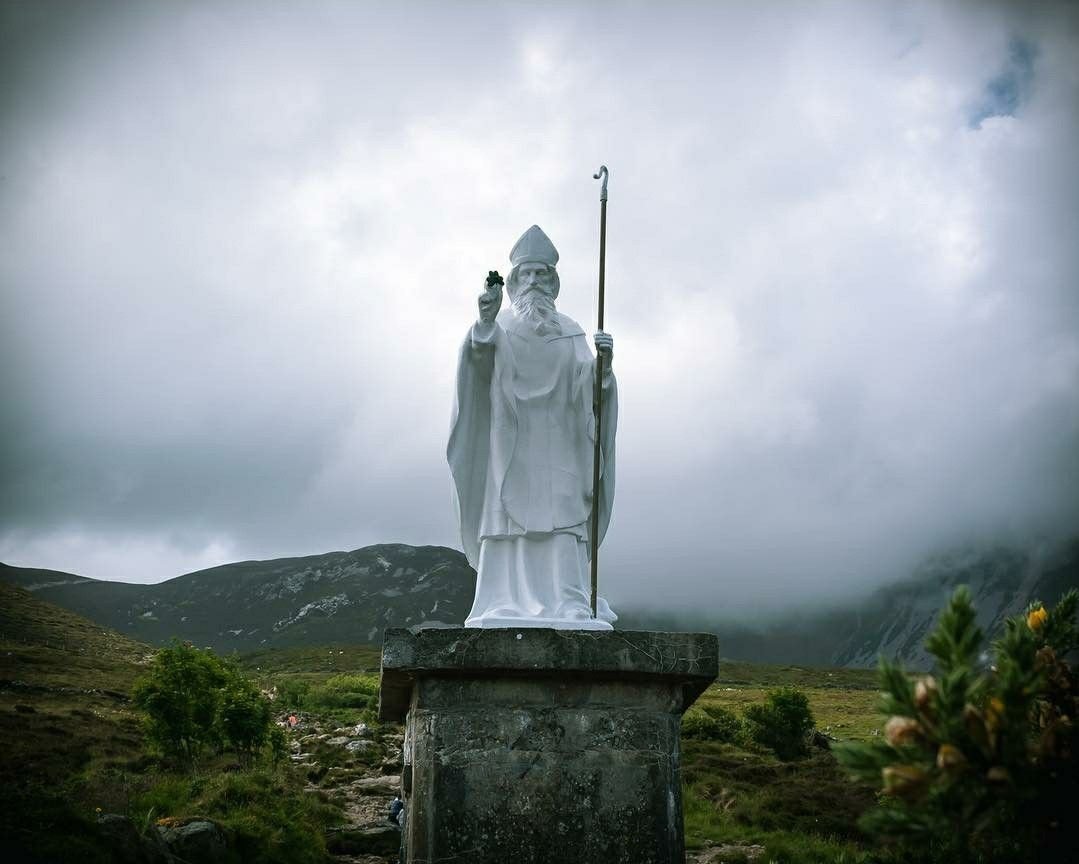
Croagh Patrick, in County Mayo, is one of Ireland’s most famous sacred mountains. Rising above Clew Bay, it is closely associated with St Patrick and remains an important pilgrimage site today. Tourism Ireland notes that St Patrick is said to have fasted for forty days on the mountain in the fifth century, and that the mountain has drawn pilgrims ever since.
Irish Lighthouses and the Stories of the Atlantic Coast
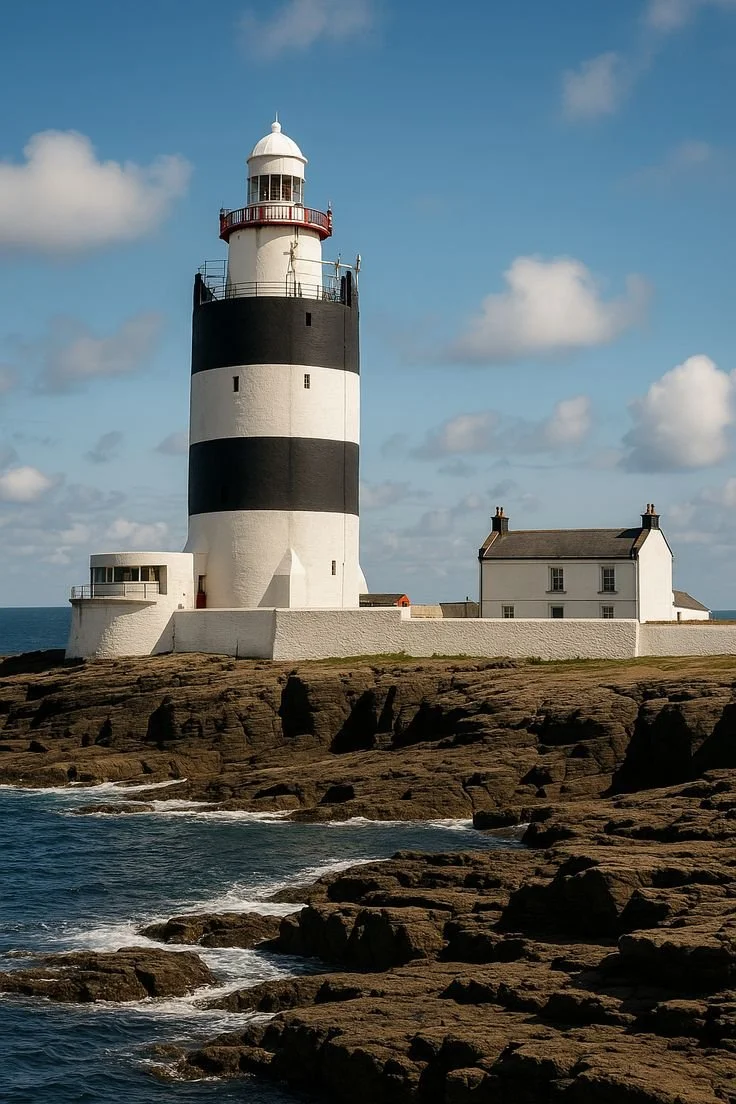
Irish lighthouses are among the most striking symbols of coastal heritage. They stand where land meets sea, guiding ships through dangerous waters and reminding travellers of Ireland’s long relationship with the Atlantic. For visitors with The Celtic Way, lighthouses offer more than beautiful views. They connect landscape with maritime history, local communities, migration, fishing, trade and survival.
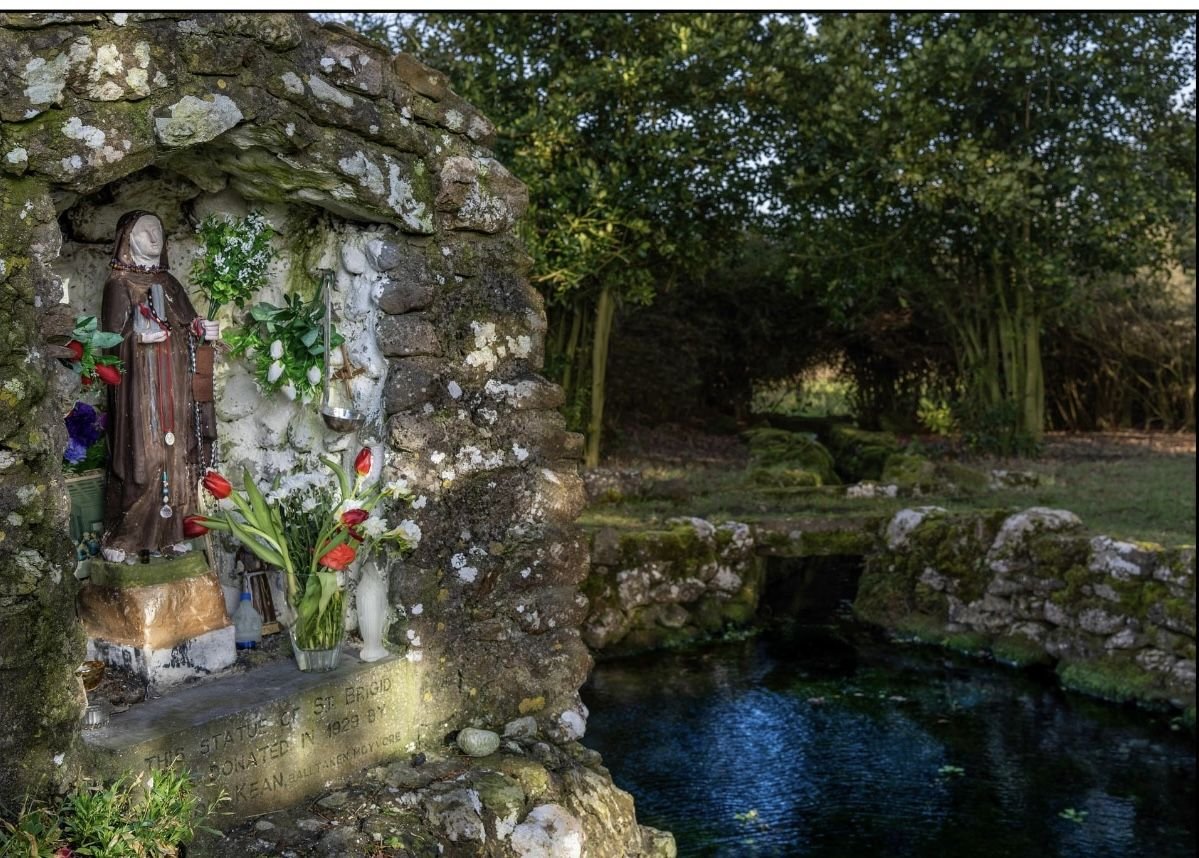
Following St Brigid Through Ireland’s Sacred Heritage
St Brigid is one of Ireland’s most beloved figures.
Her story connects faith, women’s leadership, healing, creativity, hospitality and the arrival of spring. Each year, St Brigid’s Day is celebrated on 1 February, closely connected with Imbolc, the ancient festival marking the beginning of spring. Tourism Ireland describes St Brigid’s Day as a time when ancient Celtic rituals and Christian traditions meet modern festival culture.
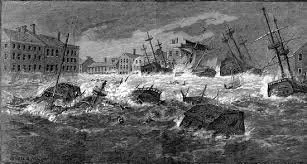
The Night of the Big Wind and the Irish Weather Event Remembered by Families
The Night of the Big Wind, which struck Ireland on 6–7 January 1839, became one of the most remembered weather events in Irish history. Met Éireann describes the storm as “notorious” and notes that its effects were reported across Ireland through contemporary newspapers and observers.
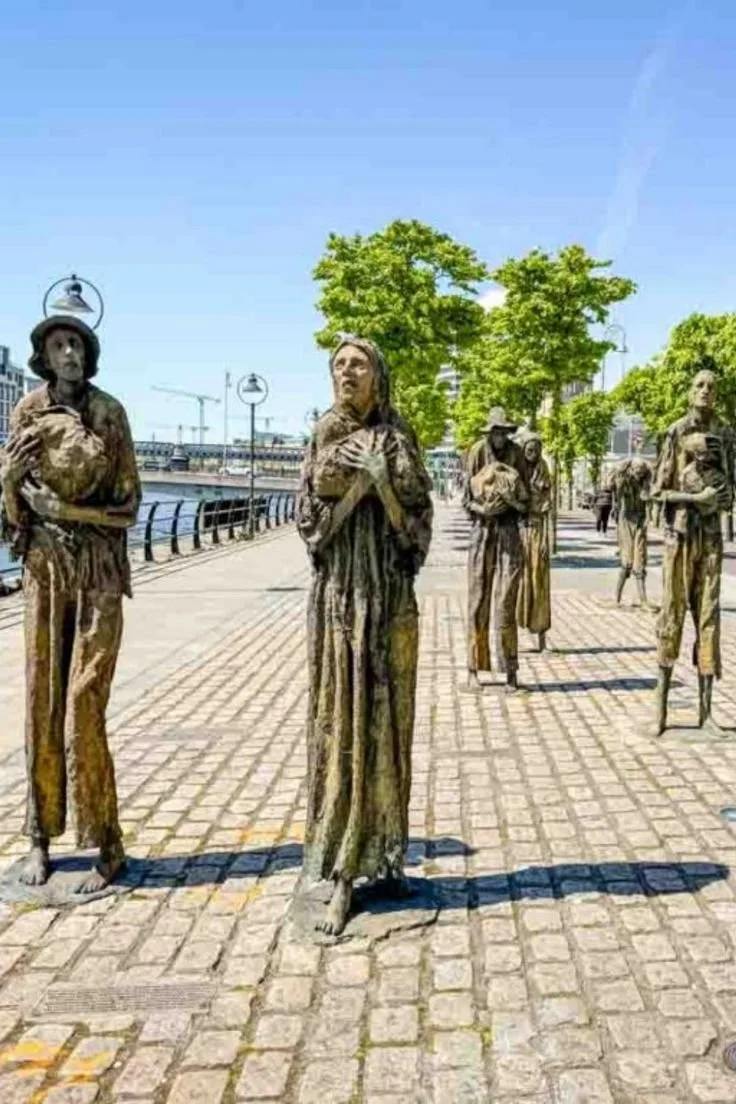
Famine Memorials in Ireland and the Power of Remembrance
Irish Famine memorials help travellers remember one of the most devastating periods in Irish history. They are places of grief, reflection and respect. They remind us that the Great Famine was not only a national event, but a human tragedy that affected families, villages, communities and generations.
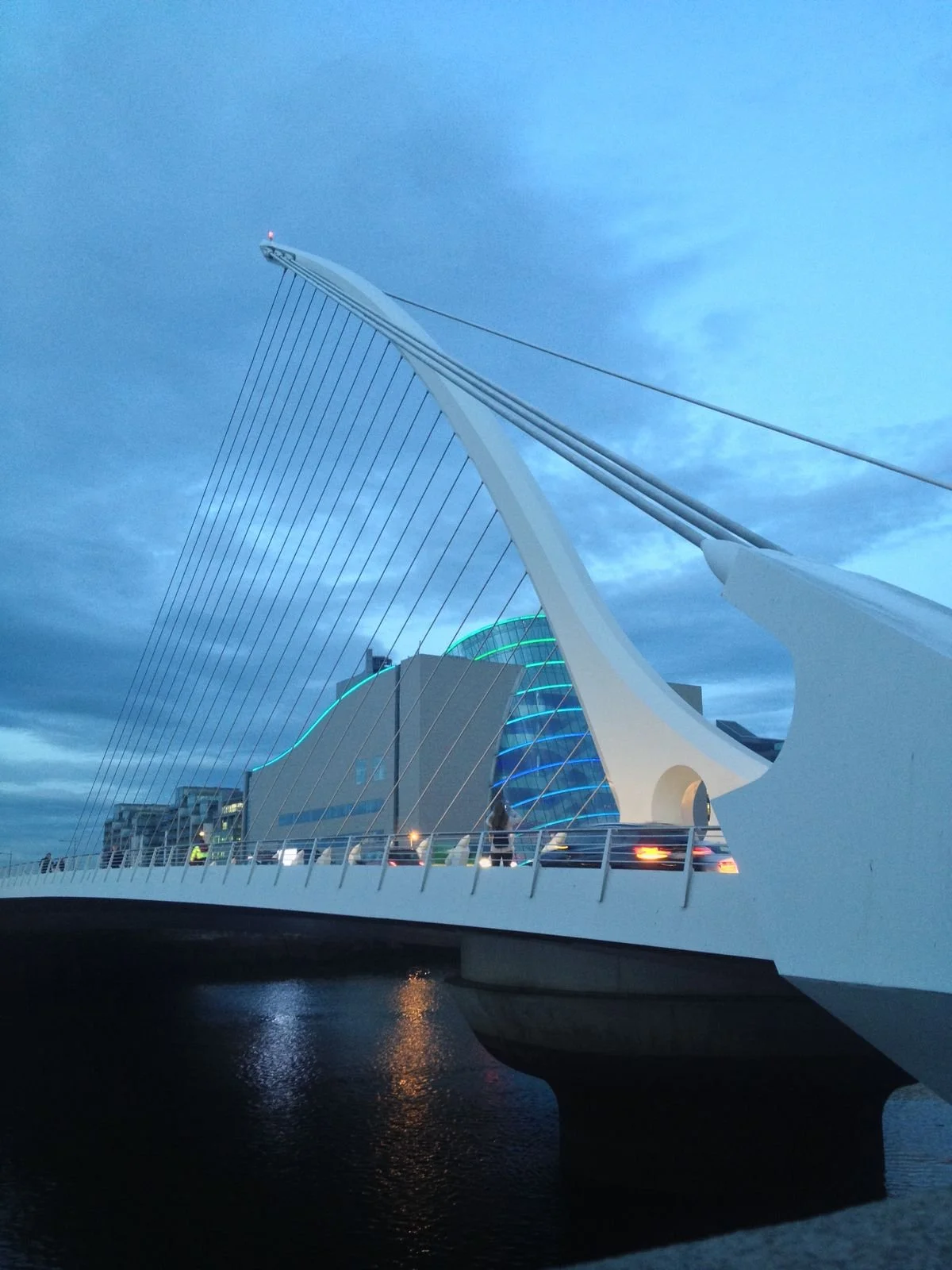
Dublin Docklands and the Journeys That Changed Irish Families
Dublin Docklands is one of the most meaningful areas of the city for travellers interested in Irish migration and modern heritage.
Today, the Docklands is known for its mix of old quays, new buildings, museums, bridges and riverside walks. But beneath its modern energy is a much deeper story. This was an area shaped by water, labour, trade, movement and departure.
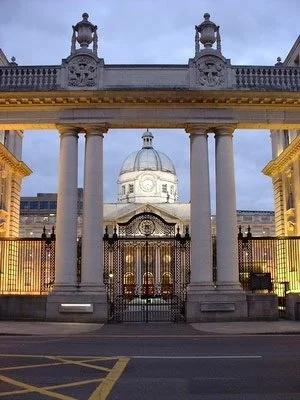
Irish Parliament and the Story of National Identity
For travellers interested in Ireland’s modern history, an optional Parliament-related visit can add an important layer to a Dublin heritage journey.
The Houses of the Oireachtas are Ireland’s national parliament. The Oireachtas explains that Ireland’s Constitution divides authority between the Legislature, Executive and Judiciary, and that the Oireachtas is the only body with power to make laws. It consists of the President of Ireland and two Houses: Dáil Éireann and Seanad Éireann.
For travellers with The Celtic Way, this topic matters because Irish heritage is not only ancient or rural. It is also political, civic and modern.
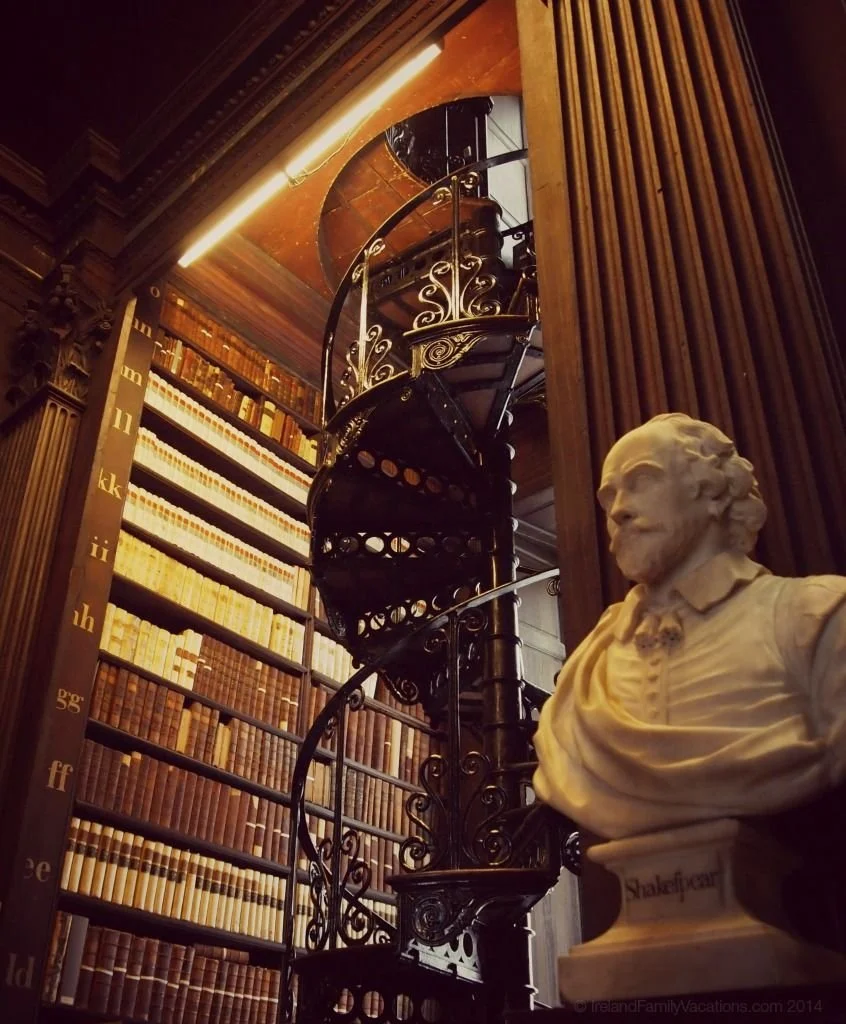
The Valuation Office and Irish Genealogy Finding Families Through Land Records
An optional visit connected to Irish land records, such as the Valuation Office or related valuation resources, can help travellers understand how ancestors were connected to land, houses and townlands. This is especially valuable for people whose Irish roots are linked to rural families, tenant farms, cottages, parishes or local communities.
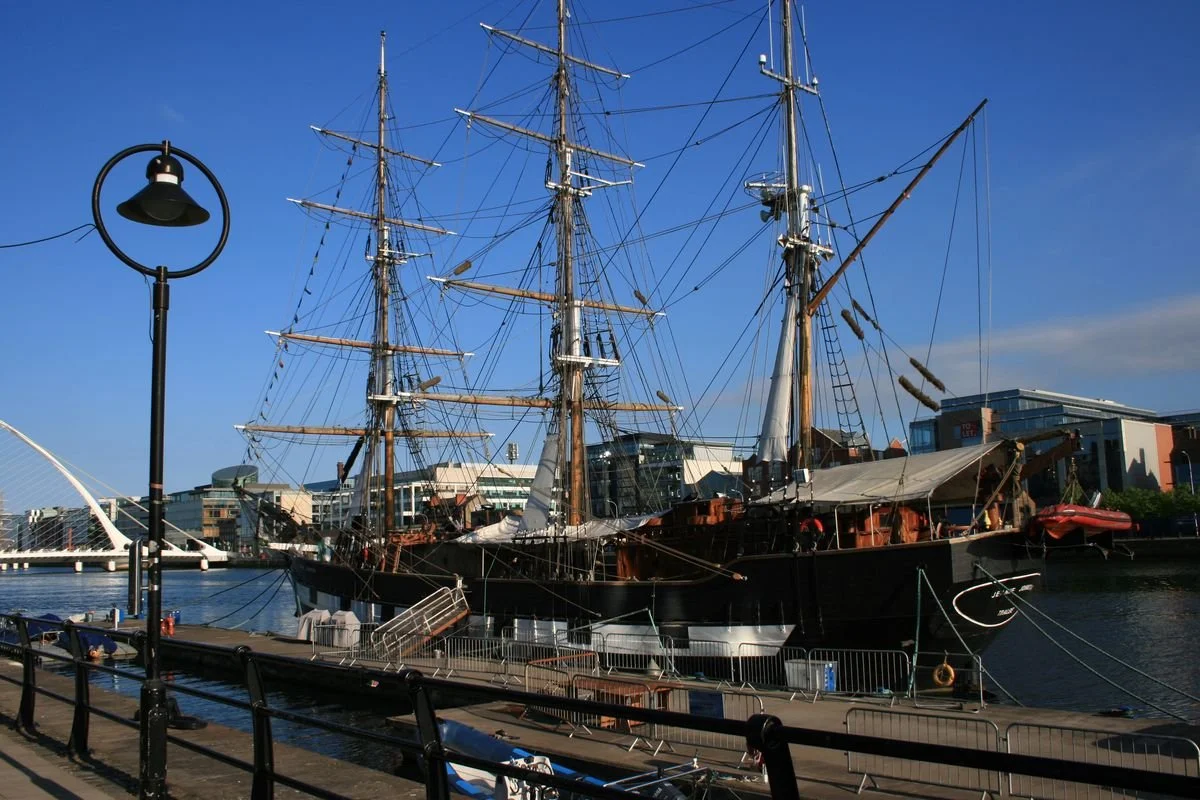
Jeanie Johnston Famine Ship and Ireland’s Emigration Story
The Jeanie Johnston Famine Ship in Dublin Docklands is one of them. It tells the story of Irish people who fled famine, poverty and uncertainty, crossing the Atlantic in search of survival and a new future. The ship visitors see today is an authentic replica of the original Jeanie Johnston, built as a memorial to Ireland’s Famine emigrants.
For travellers with The Celtic Way, this is a powerful place because it connects Ireland’s history with the human experience of leaving home.
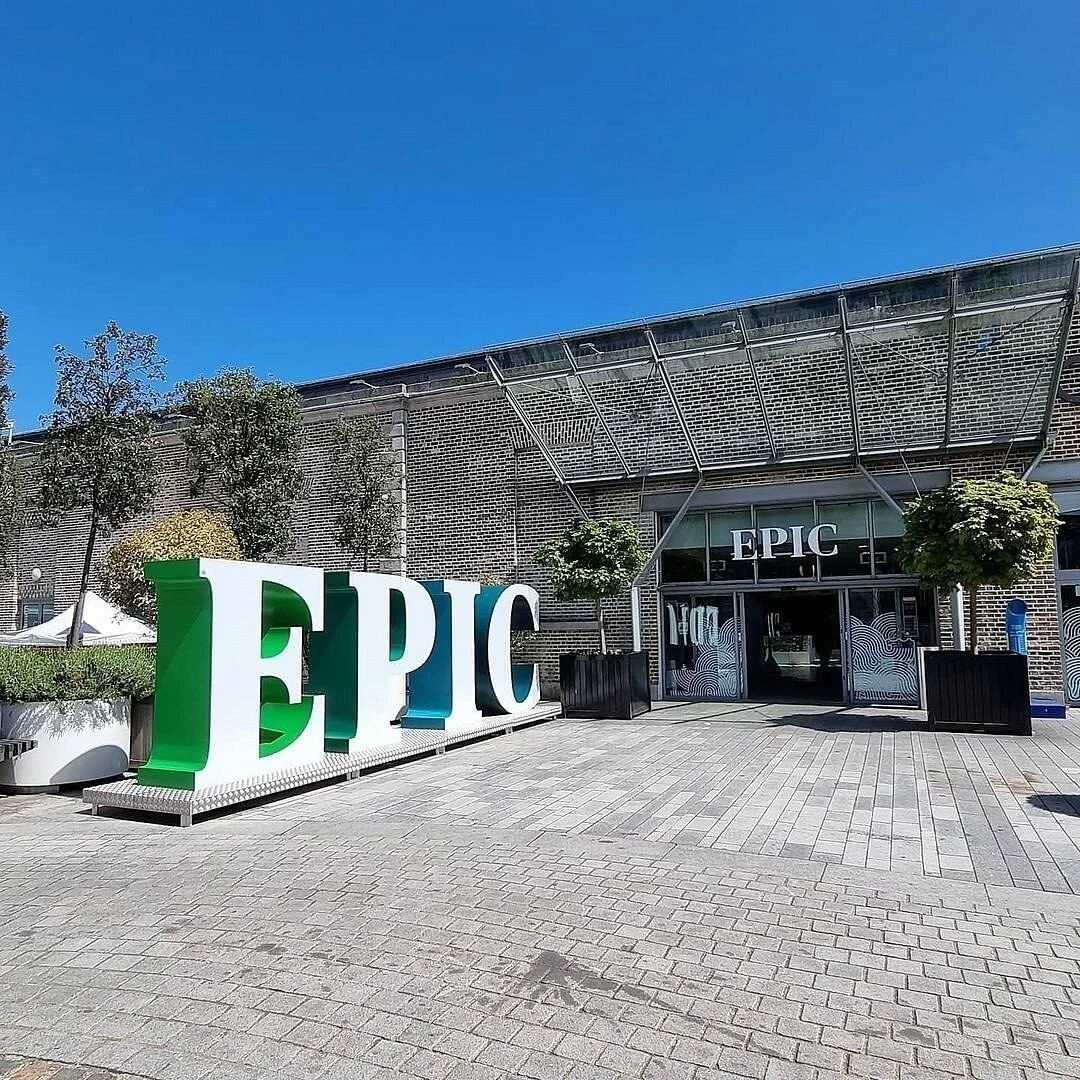
EPIC Irish Emigration Museum and the Global Irish Story
The EPIC Irish Emigration Museum, located in Dublin’s Docklands at the CHQ Building on Custom House Quay, is one of the most meaningful places to begin understanding Ireland’s global story. EPIC describes itself as a museum dedicated to Irish emigration and the Irish diaspora, with exhibitions that explore migration, memory and Ireland’s connections with international communities.
For travellers with The Celtic Way, EPIC is a powerful stop because it helps visitors understand that Irish history did not remain only on the island of Ireland. It travelled with people — through famine, work, family separation, opportunity, faith, music, politics, creativity and community.
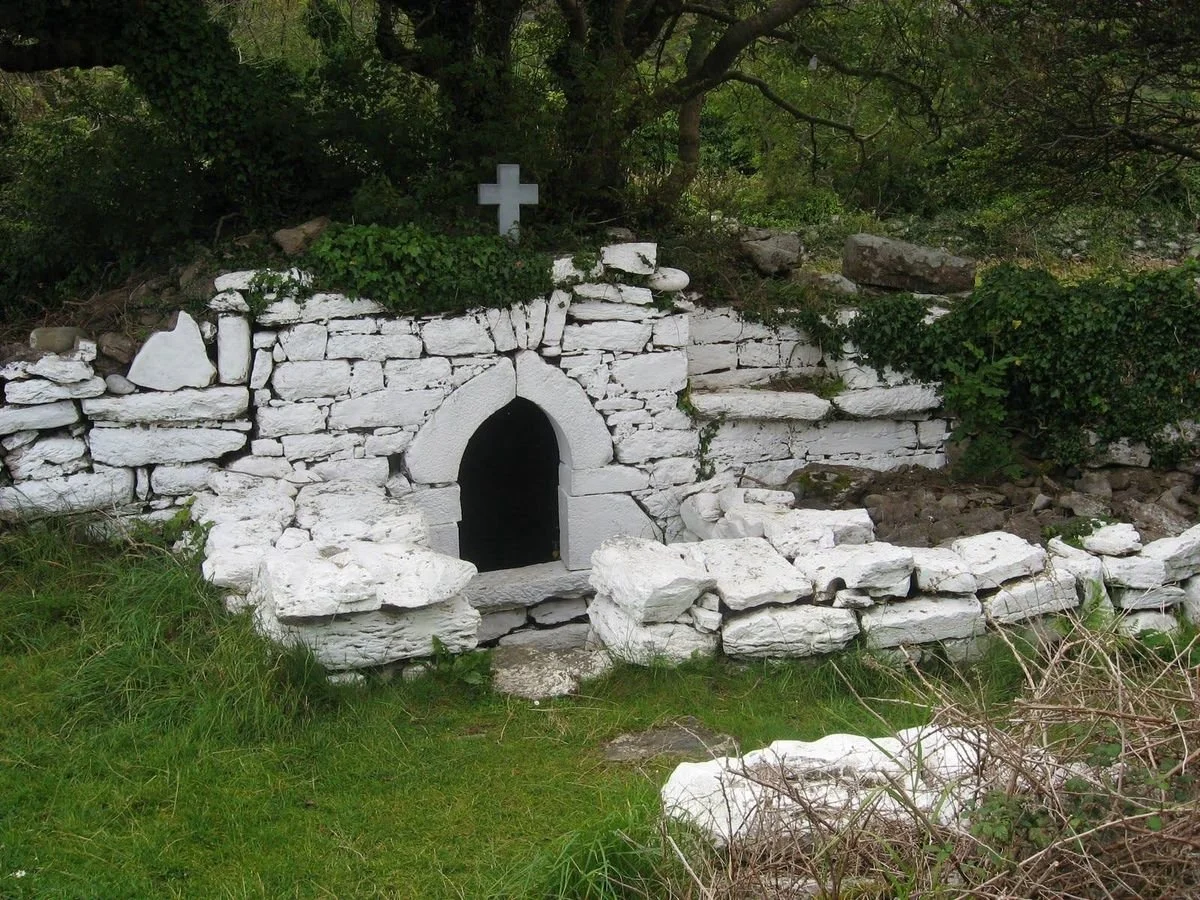
Irish Holy Wells and Sacred Places Across the Landscape
Across Ireland, holy wells can be found in some of the quietest and most unexpected places. Some sit beside old churches or graveyards. Others are hidden in fields, near country roads, beside trees, or close to ancient pilgrimage paths. They may look simple at first, but they carry deep layers of Irish faith, folklore, healing, community memory and connection to the land.
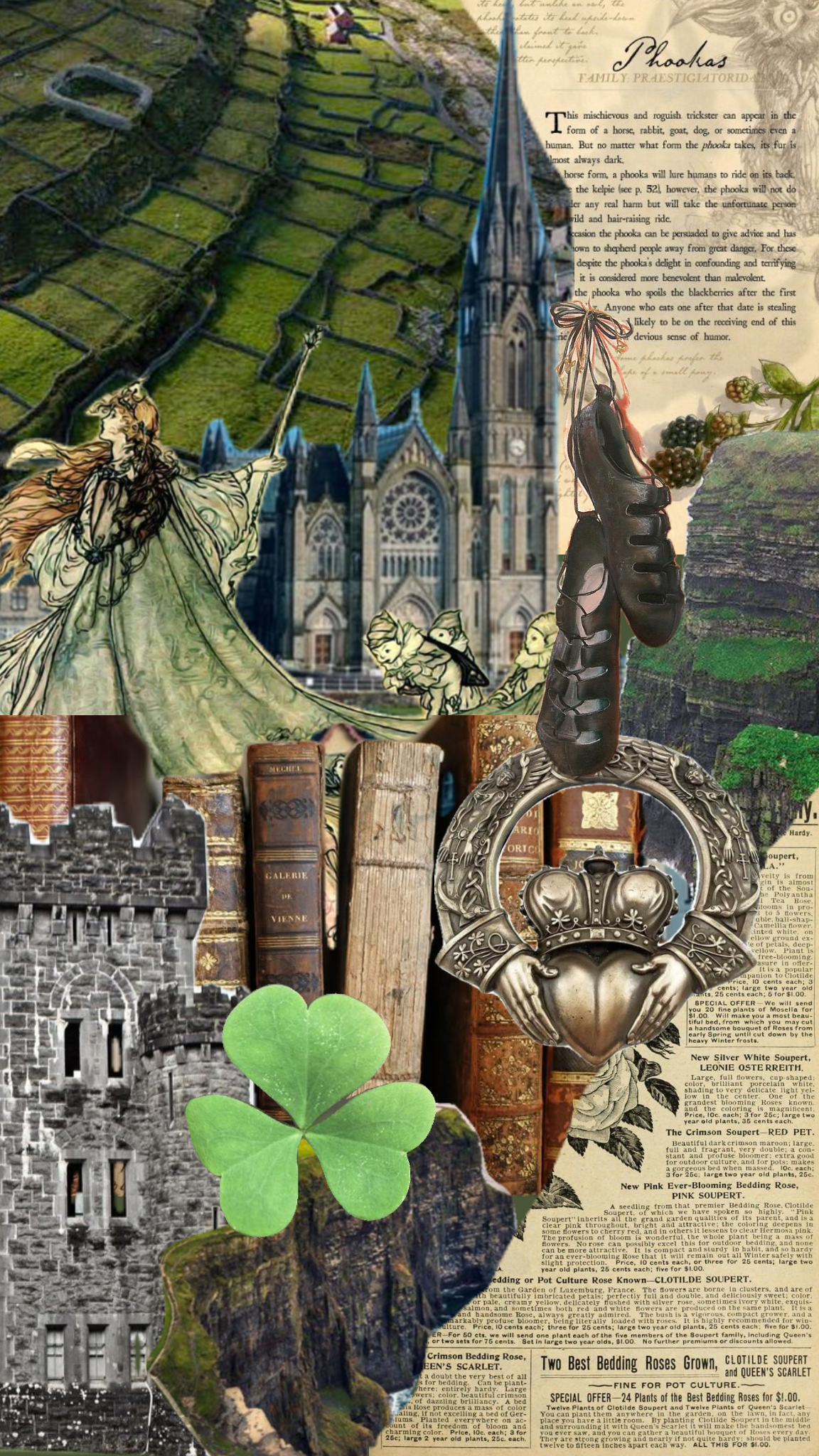
Discovering Ireland Through Place Names and Local Stories
When travelling through Ireland, place names are everywhere: on road signs, village markers, maps, townlands, rivers, mountains, islands and coastal routes. At first, they may seem like simple labels. But in Ireland, place names often carry stories.
Many Irish place names come from the Irish language. They may describe a hill, river, church, saint, family group, fort, field, animal, colour, shape or natural feature. This means that a place name can tell us how earlier communities saw and understood the land around them.
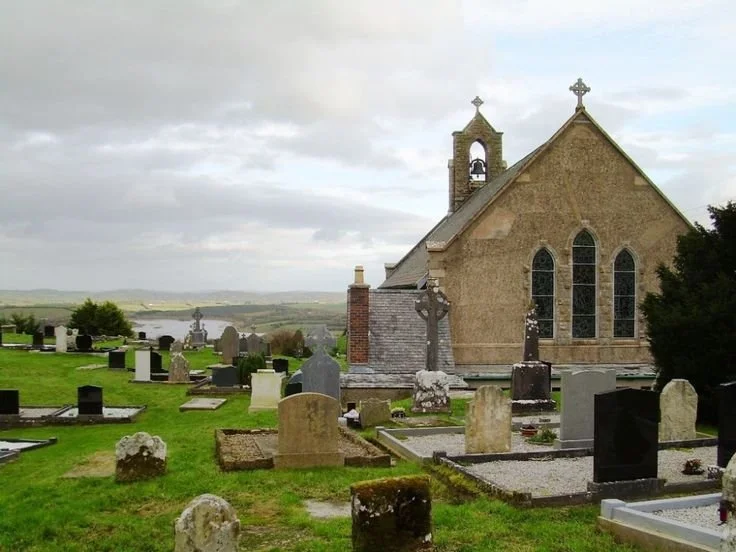
Irish Graveyards, Churches and the Stories Behind Family Places
Irish graveyards are some of the quietest and most meaningful heritage places in Ireland.
They may not always be the first places travellers think of when planning a journey through Ireland, but they can offer one of the deepest connections to local history. Across the country, graveyards sit beside parish churches, medieval ruins, old abbeys, rural roads, and village centres. Some are still in use today. Others hold generations of family names carved into weathered stone.
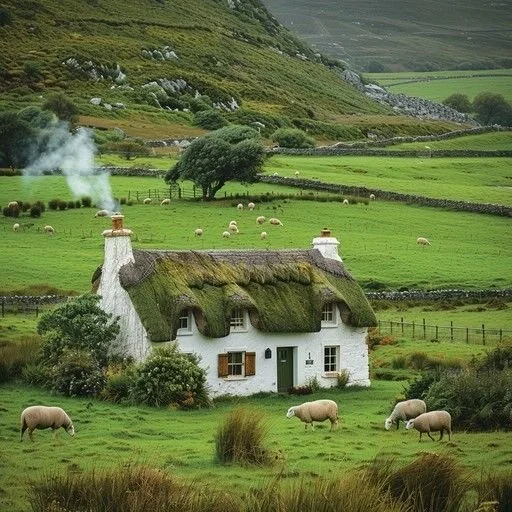
Traditional Irish Cottages and the Rural Landscapes of Ireland
Traditional Irish cottages are among the most familiar images of rural Ireland.
With their low walls, small windows, whitewashed exteriors, thatched roofs, and close connection to the surrounding land, they offer travellers a glimpse into Ireland’s everyday past. But these cottages were not built to be picturesque. They were built to be lived in.
For travellers with The Celtic Way, Irish cottages help bring heritage down to a human scale. They show how ordinary families lived, worked, cooked, rested, prayed, and gathered across generations.
The Celtic Club, Community and Irish Spirit with Peter Gavin
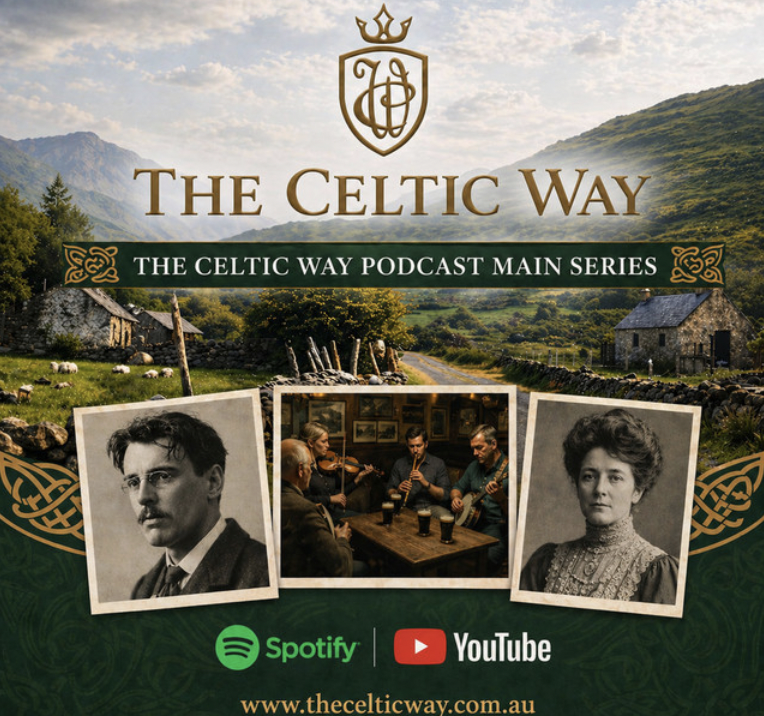
In this episode of The Celtic Way Podcast, Stephanie Woollard OAM welcomes Peter Gavin for a thoughtful conversation about Irish heritage, cultural identity and community connection in Australia.
Peter shares insights from his long involvement in Melbourne’s Irish community, including his role with The Celtic Club, where he is currently Chair of the Cultural Heritage Sub-Committee. The conversation explores the Club’s ongoing cultural initiatives, community engagement and role in preserving Irish traditions in Australia.
Supporting the Irish Community in Australia with John Rodden
In this episode of The Celtic Way Podcast, Stephanie Woollard OAM welcomes John Rodden for a heartfelt conversation about Irish heritage, community, and cultural connection in Australia.
As President of the Irish Australia Support and Resource Bureau, John has spent many years supporting Irish people and those of Irish descent. His work reflects a strong commitment to community, care and cultural belonging. Throughout the conversation, he shares reflections on the importance of helping people stay connected to their Irish identity, no matter how far they are from Ireland.
Traditional Irish Clothing and the Stories Woven Into Heritage
When travellers think of Irish heritage, they often imagine castles, green landscapes, music, villages and ancient sites.
But Irish heritage can also be found in something much more personal: clothing.
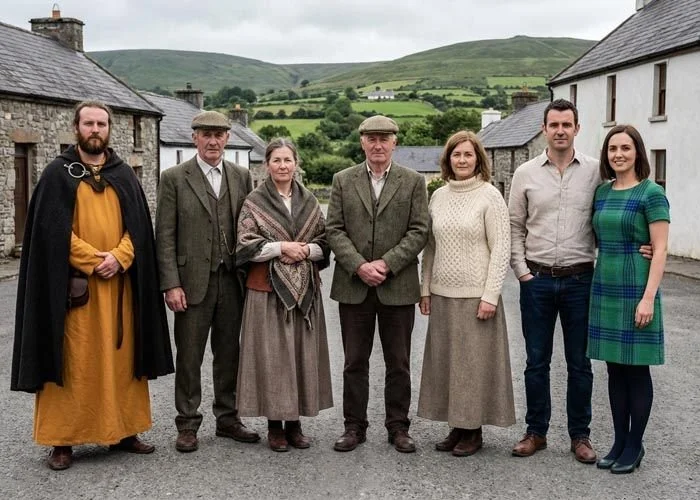
Traditional Irish clothing tells stories about weather, work, class, faith, family, craft and everyday life. The National Museum of Ireland notes that there was no single national traditional Irish costume. Instead, rural Irish families usually wore practical clothing made from hard-wearing materials such as wool and linen, often keeping separate clothes for daily work and “Sunday best.”
Across the North Channel Following the Historic Link Between Ireland and Scotland
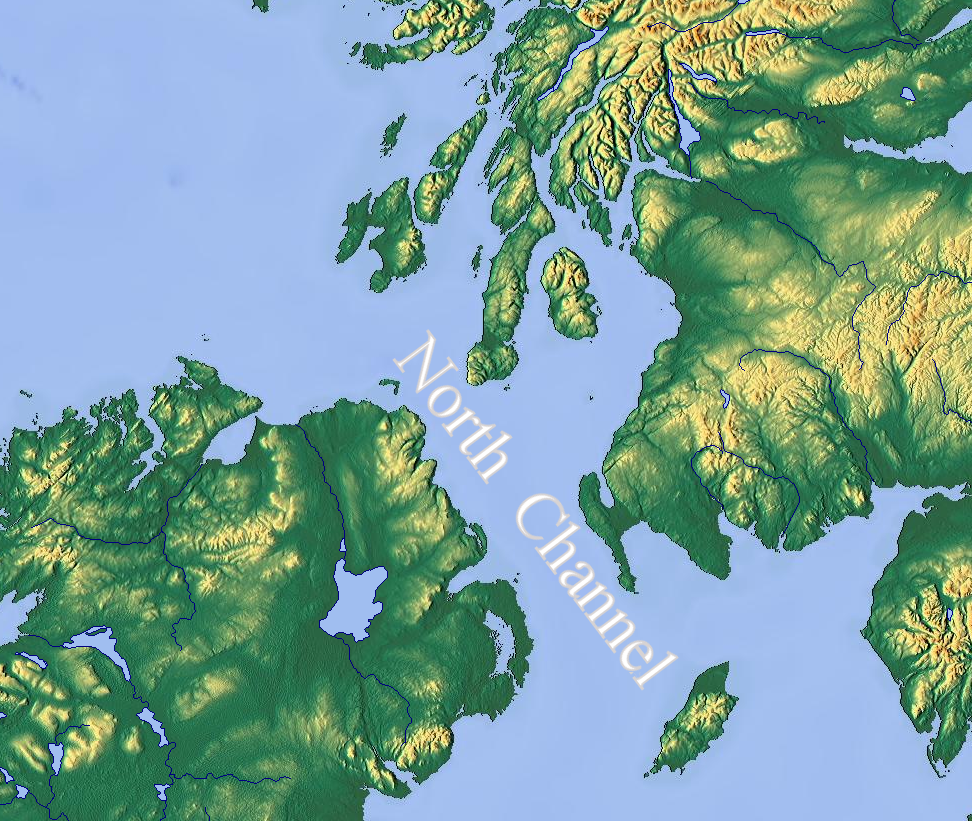
The North Channel, the narrow stretch of water between north-eastern Ireland and south-western Scotland, has carried people, stories, languages, trade and family connections for generations. At its narrowest point, only a short distance separates County Antrim from the Mull of Kintyre, making the relationship between the two coastlines close and long-standing. Discover Ulster-Scots notes that migration back and forth across the North Channel has been happening from “time immemorial,” with early Irish-speaking Gaels settling in Argyll.
Dál Riata and the Celtic Journey Between Ireland and Scotland
Long before Ireland and Scotland were understood as separate modern nations, the sea between them was not simply a border.
It was a road.
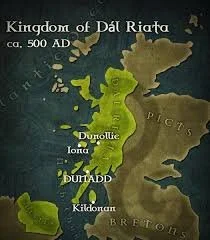
Across the North Channel, people moved, traded, settled, prayed and carried stories from one coast to another. One of the most powerful examples of this shared history is Dál Riata, an early Gaelic kingdom connected with north-eastern Ireland and western Scotland.
Iona and St Columba: A Sacred Journey from Ireland to Scotland
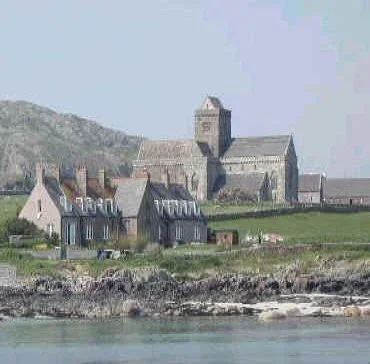
The story of St Columba and Iona is one of the most powerful links between Ireland and Scotland. In AD 563, St Columba travelled from Ireland to the island of Iona with 12 companions, where they founded a monastery that became one of the most influential religious centres in the British Isles.
For travellers with The Celtic Way, Iona is more than a beautiful Scottish island. It is a place where Irish faith, Gaelic culture, pilgrimage and Scottish spiritual history meet.