

Scottish Clans: Discovering Identity, Belonging, and Highland Heritage
To understand Scotland more deeply, it helps to understand the clans. For travellers, Scottish clans offer a powerful way to connect with the country’s landscapes, castles, traditions, and family stories.
For centuries, clans were at the heart of life in the Scottish Highlands. They were more than family groups. A clan gave people identity, protection, and a sense of belonging. The word clan comes from the Gaelic word clann, meaning children or family, but clan life was not only about bloodlines. It was also about loyalty, shared land, and community.
At the centre of each clan was the chief, who acted as a leader and protector. In times of uncertainty or conflict, people looked to the chief for guidance and strength. The rugged Highland landscape also shaped clan identity. Mountains, glens, and isolated communities helped each clan develop its own traditions, stories, and loyalties.
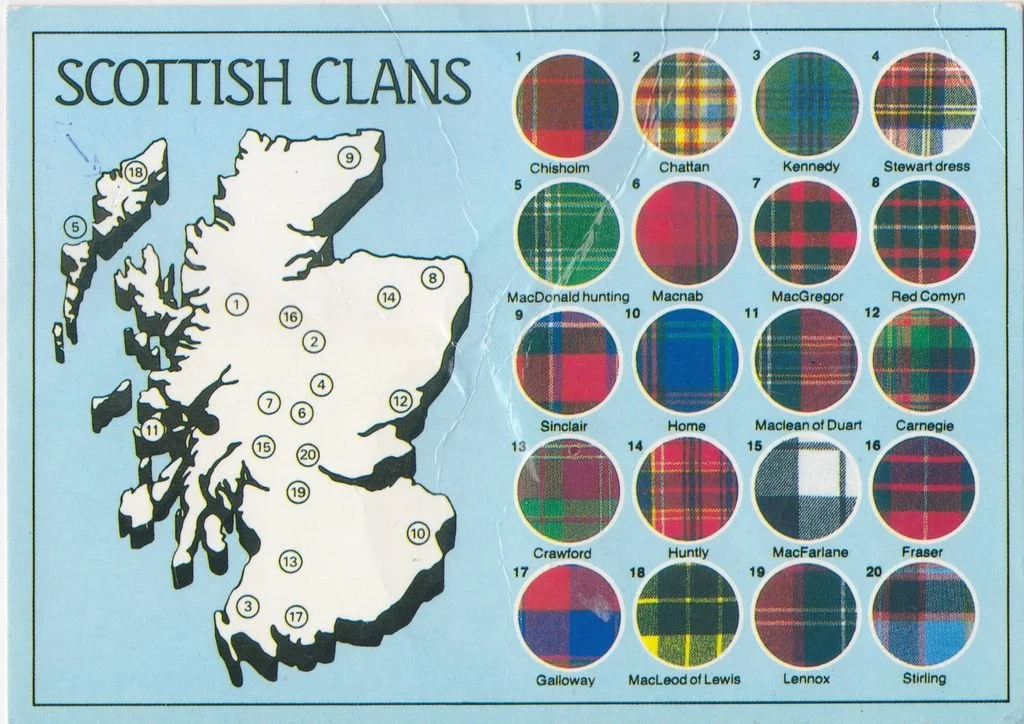
Names such as MacDonald, Campbell, and MacLeod still carry this history today. For many visitors with Scottish ancestry, hearing these names or visiting clan lands can feel deeply personal. It connects them not only to a surname, but to a place and a story that has lasted across generations.
Clan history also includes conflict. Clans fought over land, honour, and power, but they also united against outside threats. One major turning point came in 1746 at the Battle of Culloden, after which the clan system was severely weakened and Highland culture came under pressure.
Today, clans are remembered less as forces of conflict and more as symbols of heritage, identity, and belonging.
At The Celtic Way, we believe journeys through Celtic lands are most meaningful when they connect people with the stories behind the places they visit.
Explore our journeys here: https://www.thecelticway.com.au/