
Dublin Docklands and the Journeys That Changed Irish Families
Dublin Docklands is one of the most meaningful areas of the city for travellers interested in Irish migration and modern heritage.
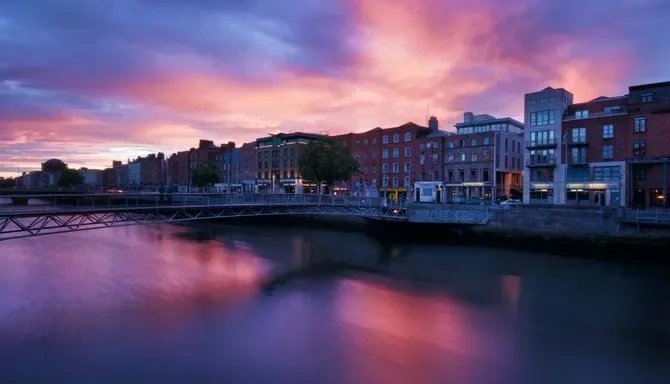
Today, the Docklands is known for its mix of old quays, new buildings, museums, bridges and riverside walks. But beneath its modern energy is a much deeper story. This was an area shaped by water, labour, trade, movement and departure.
For travellers with The Celtic Way, Dublin Docklands offers a powerful way to understand how Ireland connected with the wider world.
The Port and the City
Dublin’s history has long been tied to its port. Dublin City Council notes that when the Custom House was built in 1791, much of the surrounding Docklands area was still low-lying land, but as the port expanded downriver, the area became more valuable and attracted people and businesses through work opportunities.
This detail is important because it shows that the Docklands was not only a place of ships. It was also a place of workers, families, warehouses, quays, trade and urban change.
For visitors, walking through the Docklands helps connect Dublin’s city life with Ireland’s maritime and migration history. The River Liffey was not simply a scenic feature. It was part of the movement of goods, people and stories.
Migration Memory in the Docklands
Dublin Docklands is also strongly connected to Irish emigration memory. The area is home to EPIC The Irish Emigration Museum, located in the CHQ Building on Custom House Quay, and the nearby Famine Memorial on Custom House Quay. EPIC’s Docklands guide lists both EPIC and the Famine Memorial as key sites in the area.
These sites help travellers understand the emotional side of migration. Emigration was not only about ships and destinations. It was about families leaving home, people searching for work, and communities changed by departure.
Why Dublin Docklands Matters on a Heritage Tour
Dublin Docklands brings together past and present. It is modern, creative and active, but also layered with memory. For visitors, it shows how Ireland’s story moved through ports, rivers, ships and global connections.
At The Celtic Way, we believe meaningful travel should help people see these layers. Dublin Docklands is not just a city district. It is a place where trade, migration, famine memory and the global Irish story meet.
Explore meaningful Irish heritage journeys with The Celtic Way:
https://www.thecelticway.com.au/